
Eye health is not only about clear vision. It also includes the comfort, appearance, and function of the eyelids, tear ducts, eye socket, and the structures around the eyes.
Many people experience concerns such as droopy eyelids, heavy upper eyelids, hooded lids, constant watering of the eyes, eyelid swelling, under-eye bags, eyelid lumps, thyroid-related eye changes, or injuries around the eye. However, they may not know that there is a specialized branch of eye surgery that treats these conditions.
This specialty is called Oculoplasty, also known as Oculoplastic Surgery or Eye Plastic Surgery.
In this beginner-friendly guide, let us understand what oculoplasty is, who may need it, and how it can help improve both eye function and facial appearance.
What is Oculoplasty?
Oculoplasty is a super-specialized branch of ophthalmology that focuses on the structures around the eye, including:
- Eyelids
- Tear drainage system
- Eye socket, also called the orbit
- Eyebrows
- Surrounding facial structures
It combines the precision of eye surgery with the principles of plastic and reconstructive surgery.
An oculoplastic surgeon is first trained as an eye specialist and then undergoes advanced training in eyelid surgery, tear duct surgery, orbital surgery, socket surgery, and periocular aesthetic surgery. This is important because surgery around the eyes must be planned carefully to protect vision, maintain eyelid function, and achieve natural-looking results.
Conditions Treated by an Oculoplastic Surgeon Oculoplastic surgeons treat a wide range of functional, reconstructive, and cosmetic concerns around the eyes.
Functional Eyelid Problems
Functional eyelid problems can affect comfort, appearance, and even vision. These include:
- Droopy eyelids, also called ptosis
- Excess upper eyelid skin blocking vision
- Heavy upper eyelids causing tiredness or visual obstruction
- Hooded eyelids affecting the upper field of vision
- Eyelids turning inward or outward, known as entropion or ectropion
- Poor eyelid closure due to facial nerve palsy
- Eyelid asymmetry
- Eyelid trauma or injuries
In many cases, eyelid surgery is not only cosmetic. It may be required to improve vision, protect the eye, or restore normal eyelid function.
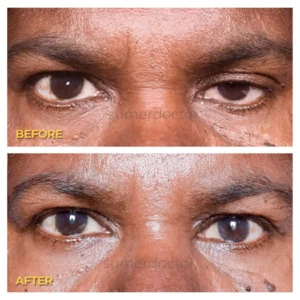
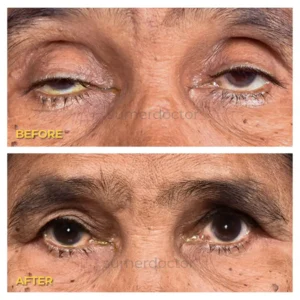
Ptosis or Droopy Eyelid Surgery
A droopy eyelid can occur in children or adults. Some patients are born with it, while others develop it gradually with age, trauma, contact lens use, or muscle weakness.
Patients with ptosis may notice:
- One eye looking smaller than the other
- A tired or sleepy appearance
- Difficulty keeping the eye open
- Forehead strain from constantly lifting the brows
- Reduced vision if the eyelid blocks the pupil
- Eyelid asymmetry in photographs
Ptosis surgery or droopy eyelid surgery aims to lift the eyelid to a more natural position while maintaining symmetry and eye protection. The exact surgical technique depends on the cause of ptosis, the strength of the eyelid muscle, and the patient’s overall eye health.
For patients searching for droopy eyelid treatment in Mumbai or ptosis surgery in Mumbai, an oculoplasty consultation helps determine whether the problem is due to weak eyelid muscles, excess skin, brow heaviness, or a combination of factors.
Tear Duct and Watering Eye Problems
Constant watering of the eyes is a common reason patients visit an oculoplasty specialist. It may happen due to a blocked tear duct, narrowing in the tear drainage pathway, eyelid malposition, or poor tear pumping.
Common tear duct-related conditions include:
- Watering from the eyes
- Blocked tear ducts
- Recurrent swelling near the inner corner of the eye
- Tear sac infection, also called dacryocystitis
- Discharge from the eye due to tear duct blockage
- Repeated eye infections related to tear duct problems
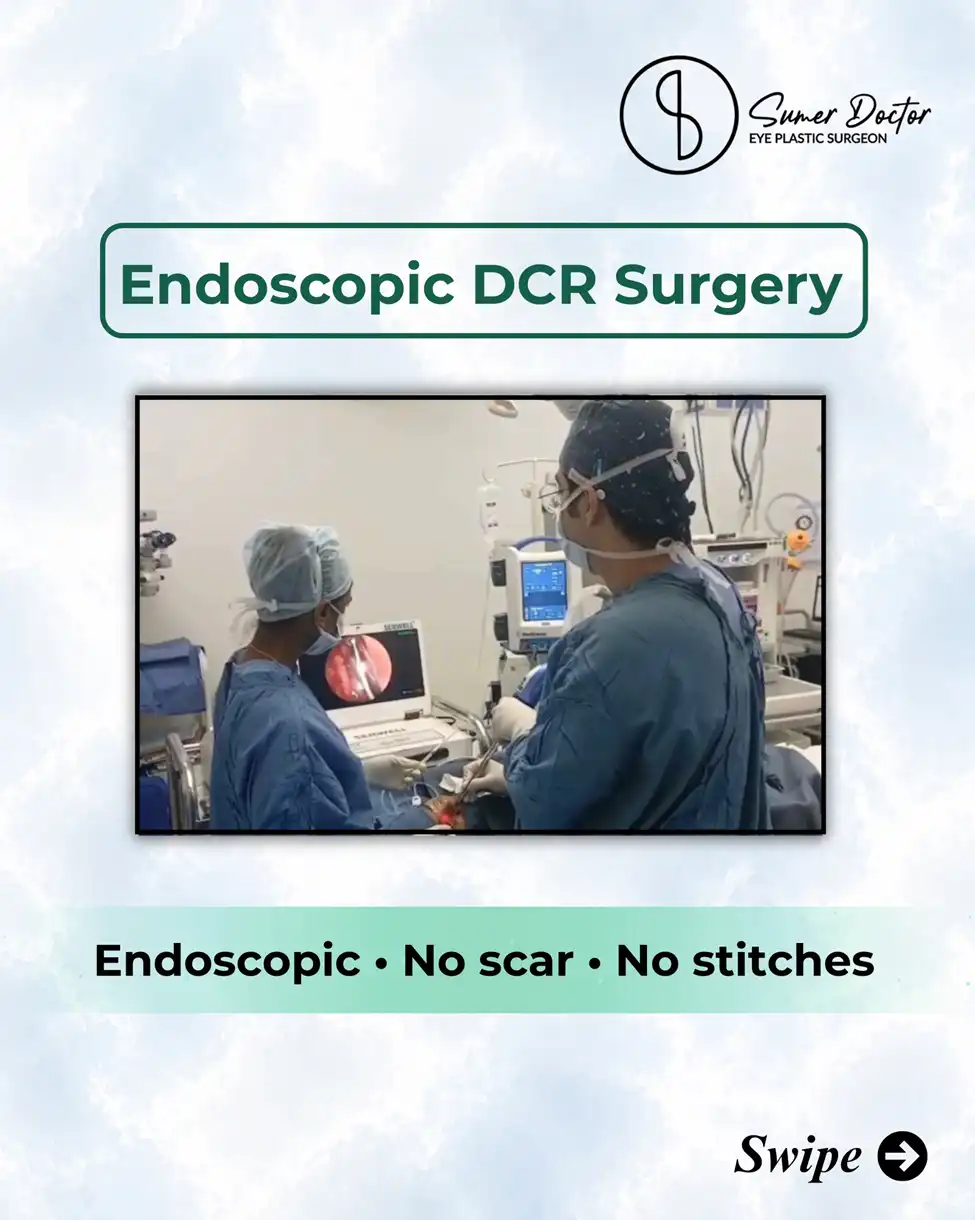
A common surgery for tear duct blockage is DCR surgery, which creates a new pathway for tears to drain properly. In many patients, this can be done through the nose using an endoscopic DCR approach, avoiding a visible external scar.
Patients with persistent watery eyes may benefit from evaluation for tear duct blockage treatment, tear duct surgery, or endoscopic DCR surgery in Mumbai, depending on the cause of watering.
Orbital or Eye Socket Conditions
The orbit is the bony socket that holds the eye and its surrounding muscles, nerves, and tissues. Orbital conditions require careful evaluation because they can affect both the appearance of the eye and vision.
Oculoplastic surgeons manage conditions such as:
- Thyroid eye disease
- Bulging eyes, also called proptosis
- Swelling around the eyes
- Orbital tumors
- Orbital fractures and injuries
- Inflammation around the eye
- Socket problems after eye removal surgery
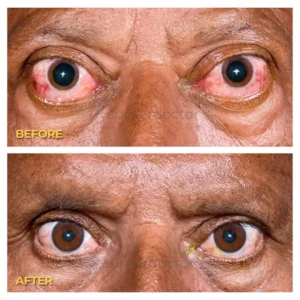
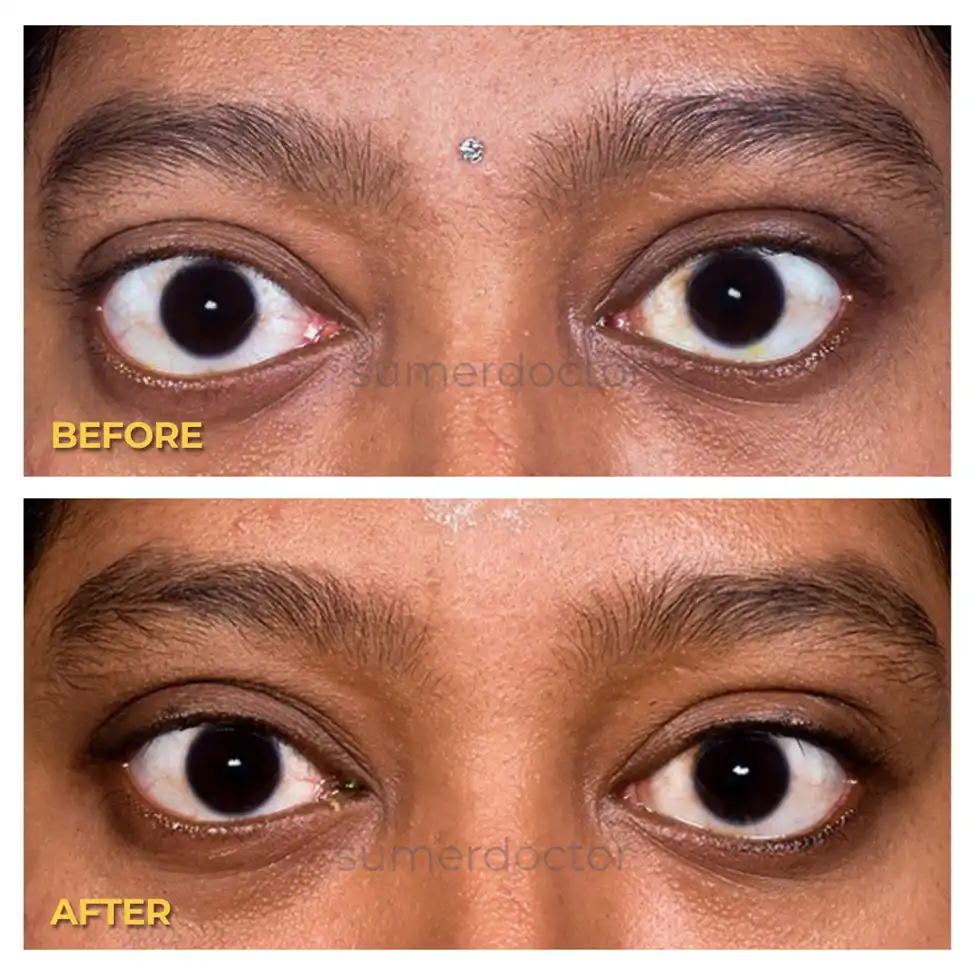
Thyroid eye disease is one of the important conditions treated by oculoplastic surgeons. It can cause eye bulging, eyelid retraction, swelling around the eyes, double vision, dryness, and in severe cases, vision problems.
Treatment may include medicines, eye protection, orbital decompression surgery, eyelid surgery, or squint surgery depending on the stage and severity of the disease. Patients searching for thyroid eye disease treatment in Mumbai, bulging eye treatment, or orbital decompression surgery should be evaluated by a specialist familiar with both eye function and orbital anatomy.
Artificial Eye and Socket Surgery
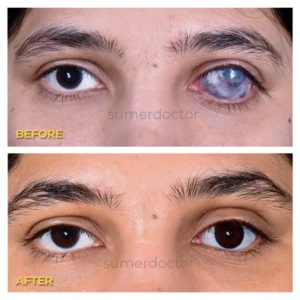
Oculoplastic surgeons also manage patients who have lost an eye due to trauma, infection, tumor, or previous surgery.
Socket-related treatments may include:
- Eye removal surgery when medically necessary
- Socket reconstruction
- Volume correction
- Management of contracted sockets
- Support for custom artificial eye fitting
- Treatment of socket-related discomfort or poor prosthesis fit
The aim is to restore comfort, symmetry, and confidence with a well-fitting artificial eye or ocular prosthesis.
Patients looking for an artificial eye specialist in Mumbai, custom artificial eye, ocular prosthesis, or socket reconstruction surgery may benefit from evaluation by an oculoplastic surgeon.
Eyelid Lumps, Bumps and Tumors
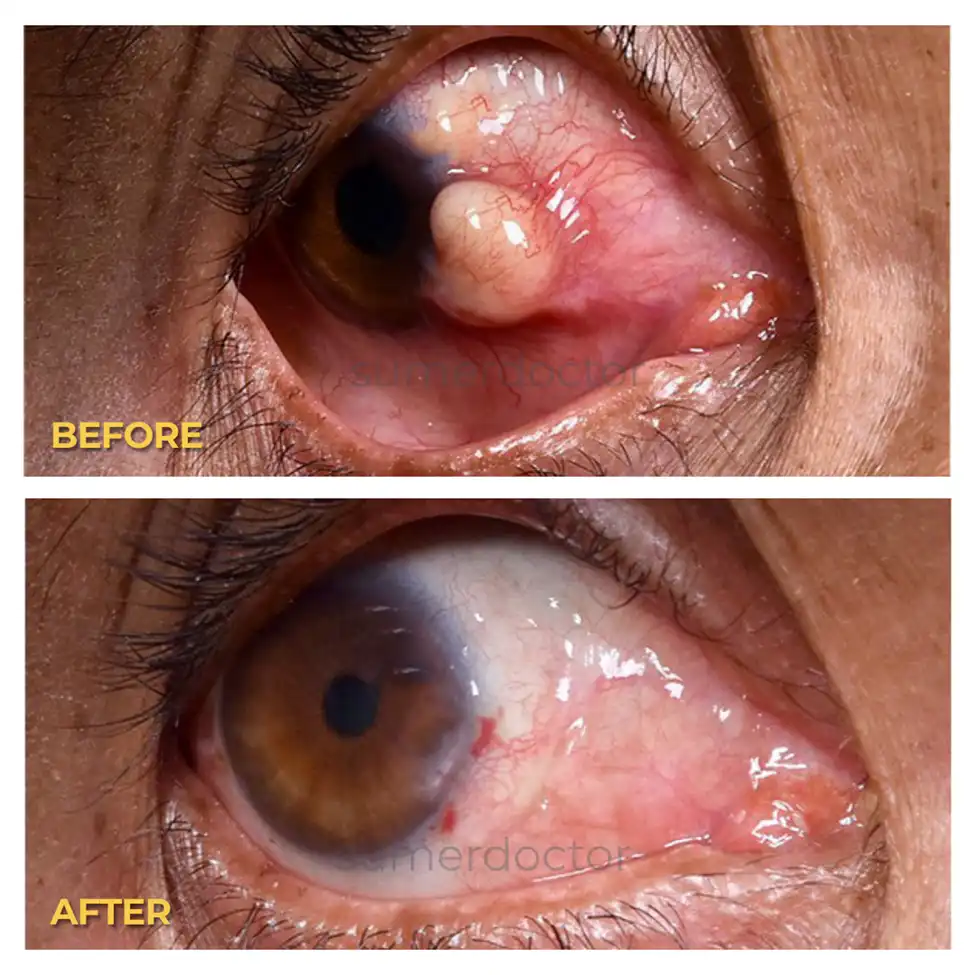
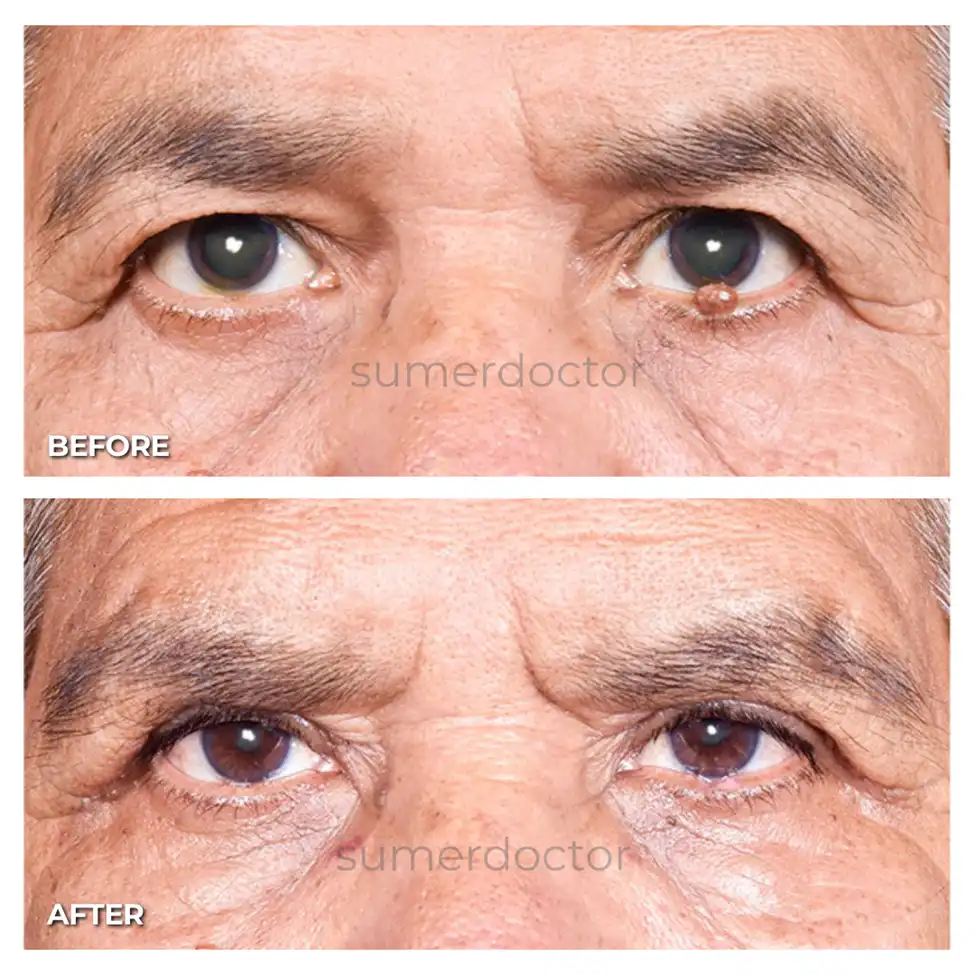
Not every eyelid lump is harmless. Some may be simple cysts or chalazion, while others may need biopsy to rule out eyelid cancer.
Oculoplastic surgeons treat:
- Eyelid cysts
- Chalazion
- Eyelid swelling or recurrent bumps
- Benign eyelid growths
- Suspicious eyelid tumors
- Eyelid cancers such as basal cell carcinoma, sebaceous gland carcinoma, or squamous cell carcinoma
- Eyelid reconstruction after tumor removal
-
The goal is to remove the lesion safely while preserving eyelid function, eye protection, and appearance.
If a patient notices a persistent eyelid lump, non-healing eyelid wound, recurrent swelling, loss of eyelashes, or change in eyelid shape, it is important to seek expert evaluation.
Cosmetic Oculoplasty and Eyelid Rejuvenation
Oculoplasty also includes aesthetic procedures around the eyes. These procedures aim to refresh the eyes while maintaining a natural appearance and protecting eyelid function.
Common cosmetic oculoplasty procedures include:
- Upper eyelid blepharoplasty
- Lower eyelid blepharoplasty
- Under-eye bag correction
- Treatment for heavy upper eyelids
- Treatment for hooded lids
- Eyelid rejuvenation
- Brow lift procedures
- Treatment for tired-looking eyes
- Scar revision around the eyes
- Non-surgical periocular rejuvenation with selected injectables
Cosmetic eyelid surgery can help patients look less tired, more refreshed, and more confident without changing their natural facial expression.
Unlike general facial cosmetic procedures, cosmetic oculoplasty focuses specifically on the eyelids, brows, under-eye area, and the delicate tissues around the eyes. This is especially important for patients considering blepharoplasty, upper eyelid surgery, lower eyelid surgery, under-eye bag surgery, or periocular rejuvenation.
Upper Eyelid Blepharoplasty
Upper eyelid blepharoplasty is commonly performed for patients with heavy or hooded upper eyelids. In some cases, the excess skin is only an aesthetic concern. In others, it can block the upper field of vision and become a functional problem.
Patients may seek upper eyelid surgery for:
- Heavy upper eyelids
- Hooded eyes or hooded lids
- Excess eyelid skin
- Tired-looking eyes
- A dull or aged appearance around the eyes
- Difficulty applying eye makeup
- Visual obstruction due to skin folds
- A feeling of heaviness over the eyes
The aim of upper eyelid blepharoplasty is to remove or reposition excess skin and tissue in a way that looks balanced, natural, and appropriate for the patient’s face.
Some patients with heavy upper eyelids may also have brow heaviness or brow descent. In such cases, the surgeon may assess whether eyelid surgery alone is enough or whether a brow lift may be required for a better and more balanced result.
Patients searching for upper eyelid surgery in Mumbai, hooded eyelid surgery, heavy eyelid treatment, or blepharoplasty in Mumbai should ideally be evaluated for eyelid position, brow position, skin excess, and eyelid muscle function before planning surgery.
Lower Eyelid Blepharoplasty and Under-Eye Bag Surgery
Under-eye bags are commonly caused by fat prolapse, skin changes, fluid retention, or a combination of these factors. Creams, lifestyle changes, and lymphatic massage may temporarily help puffiness due to fluid, but true under-eye fat prolapse usually needs a surgical approach.
Lower eyelid blepharoplasty can help with:
- Under-eye bags
- Puffy lower eyelids
- Swelling under the eyes due to fat prolapse
- Tired-looking eyes
- Fat bulges under the eyes
- Lower eyelid skin laxity
- Under-eye hollowness in selected cases
- Aged or heavy-looking lower eyelids
Depending on the patient’s anatomy, treatment may involve fat repositioning, fat removal, skin tightening, or a combination of techniques.
Patients looking for under-eye bag surgery, lower eyelid blepharoplasty, puffy eye treatment, or eye bag removal surgery in Mumbai should be assessed carefully to identify whether the concern is due to fat prolapse, loose skin, fluid retention, pigmentation, or hollowness.
Who Should See an Oculoplastic Surgeon?
You may benefit from an oculoplasty consultation if you have:
- Drooping eyelids
- Heavy upper eyelids
- Hooded eyelids
- Excess eyelid skin
- Constant watering of the eyes
- Recurrent swelling near the tear duct area
- Eyelid lumps or bumps
- Bulging eyes
- Swelling around the eyes
- Thyroid-related eye changes
- Eye socket problems
- Eyelid injury or facial trauma
- Under-eye bags or cosmetic concerns around the eyes
- Eyelid asymmetry
- Difficulty closing the eyes properly
Early evaluation helps identify the cause of the problem and allows treatment to be planned safely.
How is Oculoplasty Different from General Cosmetic or plastic Surgery?
Many people confuse oculoplasty with general cosmetic or plastic surgery.
The key difference is that oculoplastic surgeons are eye specialists first.
They understand delicate eye anatomy, eyelid movement, tear drainage, eye protection, and vision-related concerns. This makes them specially trained to perform procedures around the eyes where both function and appearance matter.
In oculoplasty, the goal is not only to improve how the eyes look, but also to ensure that the eyes remain healthy, comfortable, and protected.
What Happens During an Oculoplasty Consultation?
An oculoplasty consultation usually includes:
- A detailed history of your symptoms
- Complete eye examination
- Eyelid and facial assessment
- Tear duct evaluation if watering is present
- Clinical photographs when needed
- Imaging tests such as CT or MRI if an orbital condition is suspected
- Discussion of treatment options
- Customized surgical planning if surgery is required
Many oculoplastic procedures are performed as day-care surgeries, often under local anesthesia with or without sedation. Recovery depends on the type of procedure, but many patients are able to return to routine activities within a short period.
Benefits of Oculoplastic Surgery
Oculoplastic surgery can help:
- Improve vision obstruction caused by droopy or heavy eyelids
- Restore eyelid function
- Reduce eye watering due to tear duct blockage
- Protect the eye in cases of poor eyelid closure
- Treat eyelid tumors safely
- Improve facial balance and symmetry
- Rejuvenate tired-looking eyes
- Treat under-eye bags and eyelid heaviness
- Improve comfort, confidence, and quality of life
Meet Dr. Sumer Doctor – Specialist Oculoplasty Surgeon in Mumbai
Dr. Sumer Doctor is a specialist oculoplasty surgeon in Mumbai with focused training in eyelid surgery, tear duct surgery, orbital surgery, socket surgery, ocular oncology, and periocular aesthetic procedures.
His practice includes both functional and cosmetic oculoplasty, including treatment for droopy eyelids, ptosis surgery, eyelid malpositions, watering eyes, tear duct blockage, endoscopic DCR surgery, thyroid eye disease, eyelid tumors, orbital conditions, artificial eye and socket concerns, upper eyelid blepharoplasty, lower eyelid blepharoplasty, and under-eye bag surgery.
Dr. Sumer Doctor focuses on patient-centered care, safe surgical planning, and natural-looking results. His approach is to protect eye function while improving comfort, symmetry, and appearance.
Patients looking for an oculoplasty surgeon in Mumbai, oculoplastic surgeon in Mumbai, eyelid surgeon in Mumbai, ptosis surgeon in Mumbai, blepharoplasty surgeon in Mumbai, or tear duct specialist in Mumbai may consult Dr. Sumer Doctor for evaluation and personalized treatment planning.
To book an appointment with Dr. Sumer Doctor, contact:
+91 9391521982
Final Thoughts
Oculoplasty is a unique specialty that goes beyond cosmetic improvement. It helps restore eyelid function, protect the eyes, improve comfort, treat tumors, manage tear duct and orbital problems, and enhance facial appearance in a safe and balanced way.
Whether you are dealing with droopy eyelids, heavy upper eyelids, hooded lids, watering eyes, under-eye bags, thyroid eye disease, eyelid tumors, swelling around the eyes, or socket-related concerns, timely evaluation by an oculoplastic surgeon can make a significant difference.