
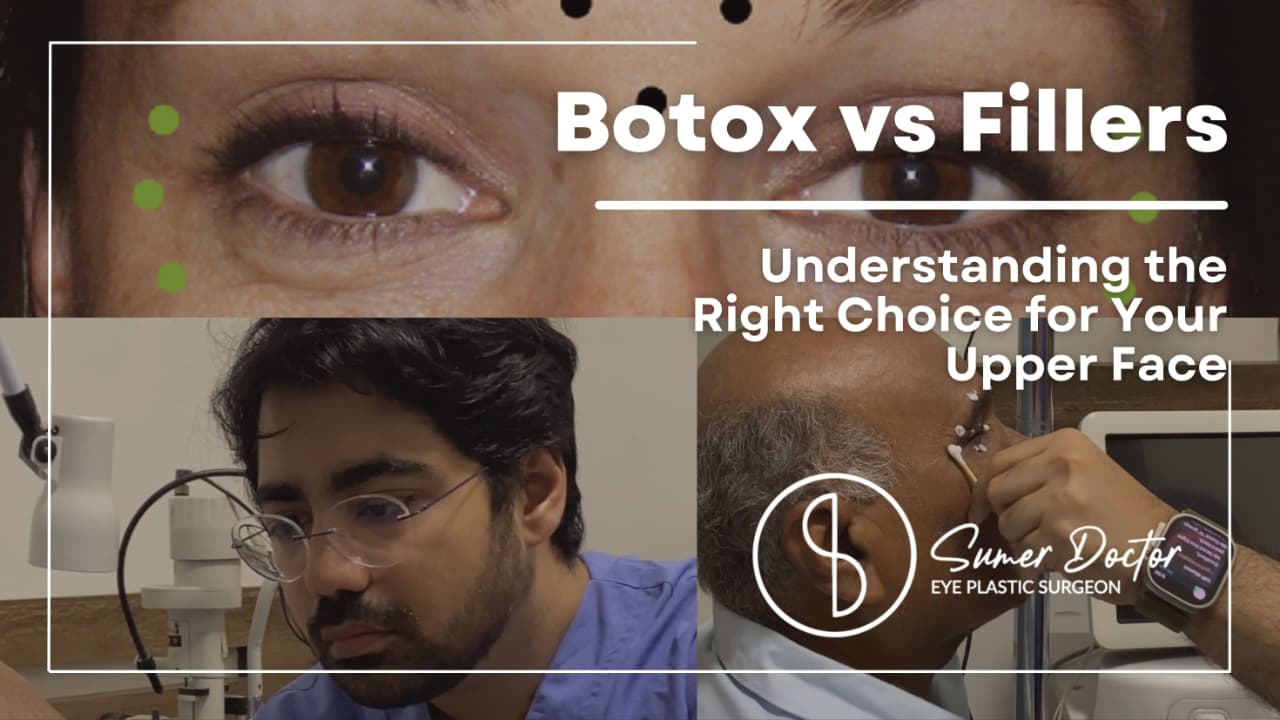
Ageing doesn’t look the same on every face. For some it begins with fine lines around the eyes or forehead; for others it shows up as under-eye hollows, dark circles or a tired, heavy look around the brows. This is where Botox and dermal fillers come into the conversation.
Both are popular non-surgical treatments, but they work in very different ways. Understanding the difference helps you make an informed choice during your consultation.
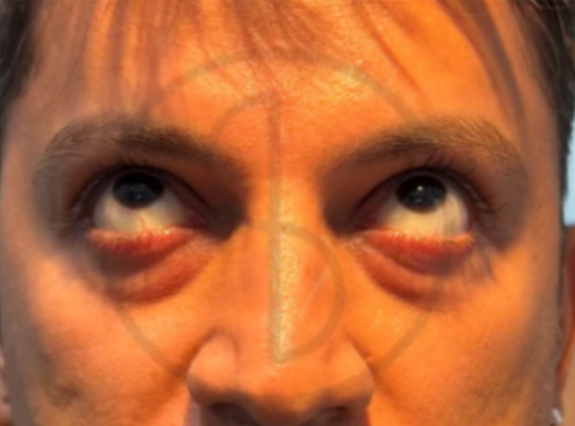
How Ageing Changes Your Face
As we age, skin gradually loses volume and firmness, while repeated expressions leave lines behind. Around the eyes and forehead this appears as a mix of wrinkles and hollowing. Botox and fillers each target a different part of this process, which is why treatment starts with identifying what is causing your concern.
What Is Botox and What Are Fillers?
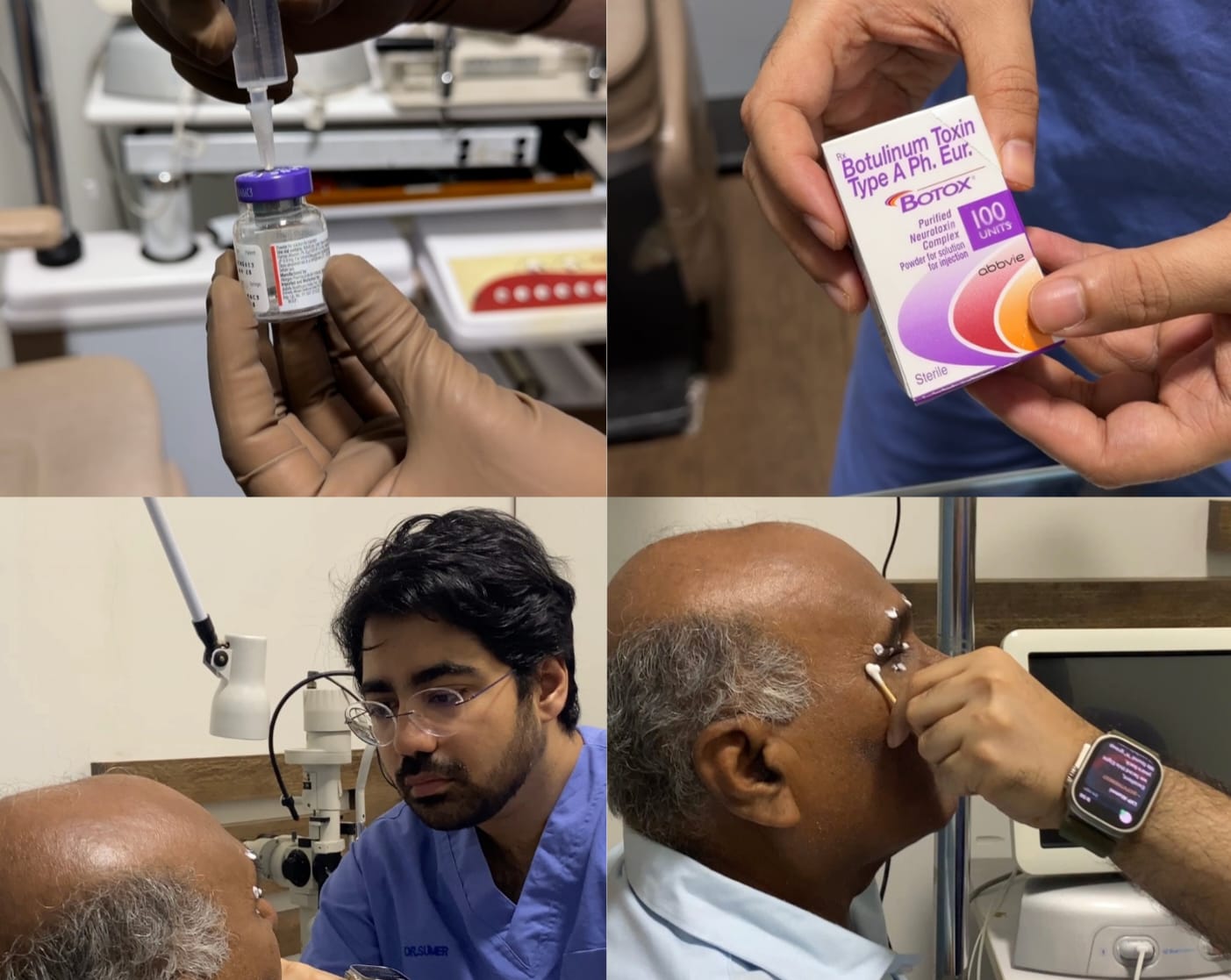
Botox (Botulinum toxin) relaxes the specific muscles that create expression lines. By gently softening that muscle movement, it smooths the wrinkles that appear when you frown, smile or raise your eyebrows.
Fillers do the opposite job. Instead of relaxing muscles, they restore lost volume beneath the skin and improve contour, filling in areas that have become hollow or shadowed.
A simple way to remember it: Botox softens lines caused by movement, while fillers replace volume that has been lost.
Botox for the Upper Face
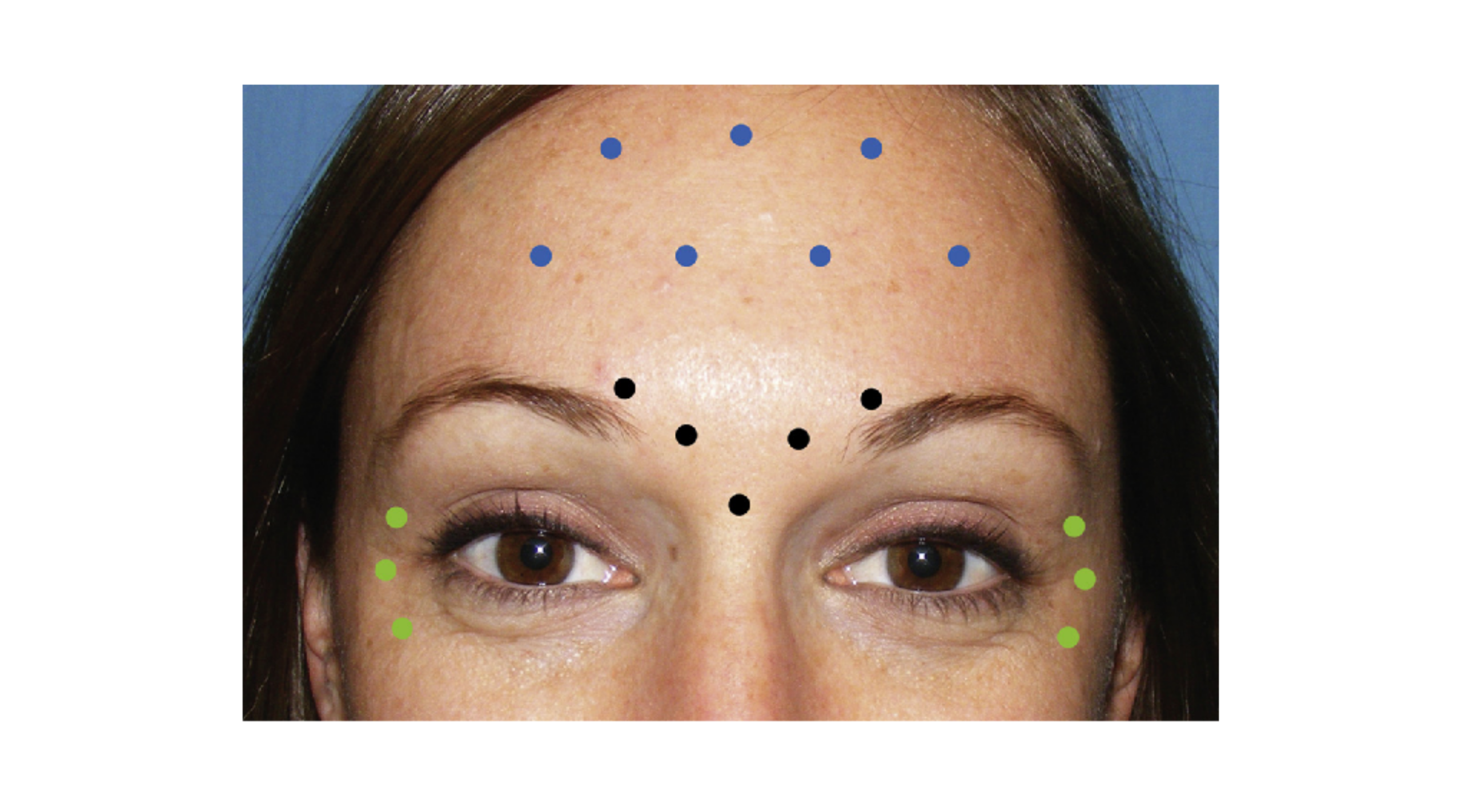
The upper face is one of the most rewarding areas for Botox, because so much of it is driven by muscle movement. Common uses include (baby Botox):
- Crow’s feet – the fine lines that fan out from the outer corners of the eyes when you smile.
- Frown lines, or “elevens” – the vertical lines that form between the eyebrows.
- Forehead lines – the horizontal creases that appear when you raise your eyebrows.
- Bunny lines – the small wrinkles that crinkle across the top of the nose.
- A Botox brow lift – carefully placed Botox can relax the muscles that pull the brow downward, giving a subtle lift and a more open, refreshed look to the brows.
The aim is to reduce the lines while maintaining complete facial expression.
Fillers for the Upper Face
Around the eyes, a tired appearance can come from lost volume rather than muscle movement and that’s where fillers help.
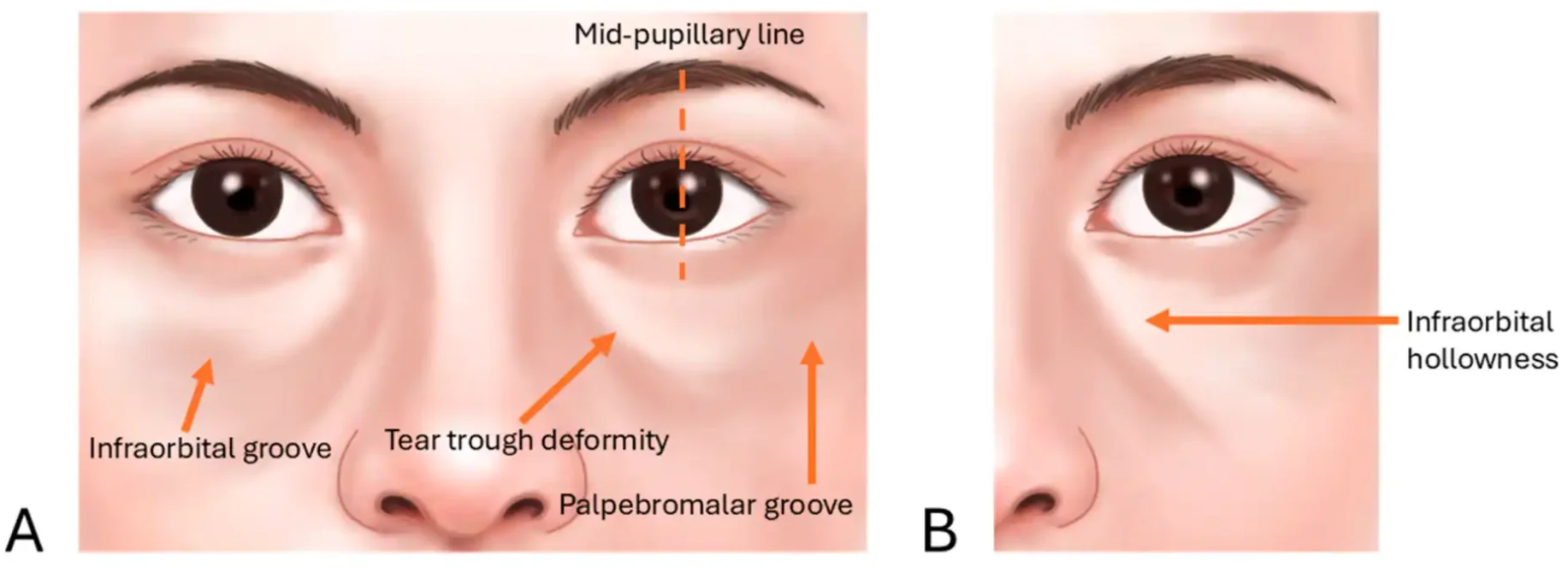
- Tear trough hollows – to soften the hollow that runs beneath the eye and creates a tired
- Under-eye dark circles – part of the darkness under the eyes is a shadow cast by hollowness; carefully placed filler can reduce that shadow and help the area look
- Small eye bags (under eye puffiness) – restoring volume smooths the step between the lower eyelid and the cheek, softening the appearance of minor
The under-eye area needs particularly careful assessment, because dark circles, puffiness and hollowness can look similar but have very different causes.
Botox or Fillers: Which One Do You Need?
If a line becomes more obvious when you make an expression, Botox is usually the right choice, because the cause is muscle movement. If the concern is hollowness, shadowing or lost volume, fillers are more appropriate. In many cases, combining the two gives the most balanced result, because each addresses a different part of facial ageing.
Are Botox and Fillers Safe?
Both are widely used, but they are still medical procedures and should be performed by a qualified, experienced doctor. The injection process is painless and performed under topical anesthesia with complete patient comfort. Temporary redness and swelling can occur after injections. Rarer complications are far more likely when treatment is done without a thorough understanding of facial anatomy – which is why who performs your treatment matters as much as the treatment itself, especially so close to the eyes.
What About Botox and filler Cost in Mumbai?
The Botox cost Mumbai patients encounter varies with the number of areas treated, the amount of product required, the brand used and the expertise of the treating doctor. Fillers are usually priced according to the product and the number of syringes needed. Rather than choosing on price alone, it’s worth considering the quality of the consultation, the products used, the medical expertise and the safety standards involved.
Also Read: Blepharoplasty (Cosmetic or Functional Eyelid Surgery): Procedure, Risks & Cost
The Right Treatment
Botox and fillers aren’t competing treatments – they solve different problems. Botox relaxes muscles and softens expression lines; fillers restore volume and smooth hollows. Around the delicate upper face and eye area especially, the best results come from understanding what your face actually needs.
If your goal is subtle rejuvenation with results that still look like you, a personalized assessment with an experienced oculoplastic surgeon (a specialist in the eyes and the area around them) is the right place to begin.
Dr. Sumer Doctor, MS, FLVPEI