
Your eyes play a vital role in both vision and facial expression. However, certain conditions affecting the eyelids, tear ducts, and surrounding facial structures can impact not only your appearance but also your eye health and quality of life. This is where oculoplastic surgery can make a significant difference.
Oculoplastic surgery is a specialized branch of ophthalmology that focuses on the diagnosis and treatment of disorders related to the eyelids, orbit (eye socket), tear drainage system, and surrounding facial areas. While many people associate it with cosmetic enhancement, it often addresses important functional concerns as well.
If you’ve been experiencing persistent eye-related symptoms, here are the top 9 signs you might need oculoplastic surgery.
1. Drooping Eyelids That Affect Your Vision
One of the most common reasons patients seek oculoplastic treatment is droopy lids or ptosis. In some cases, the eyelid may droop enough to obstruct the upper field of vision, making daily activities such as reading, driving, or using digital devices difficult.
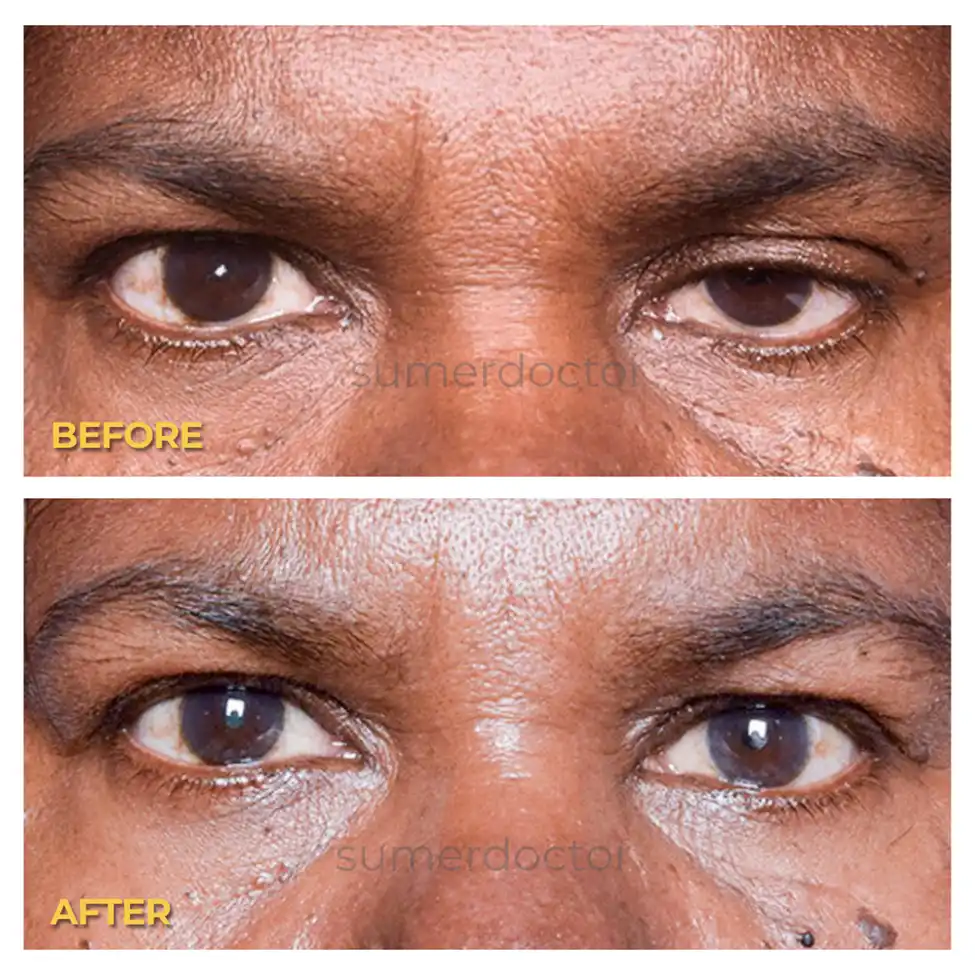
Common symptoms include:
-
- Heavy or tired-looking eyelids
-
- One eye appearing smaller than the other
-
- Difficulty keeping the eyes fully open
-
- Frequent eyebrow raising to compensate for the drooping
- Difficulty in reading for long periods of time
If drooping eyelids are interfering with your daily life, ptosis surgery (also called droopy eyelid surgery) can help restore both clear vision and a more refreshed, rested appearance.
2. Excess Skin Around the Eyes
As we age, the skin around the eyes naturally loses elasticity. This can lead to excess eyelid skin (dermatochalasis), causing the eyes to appear tired or aged.
In some individuals, the excess skin becomes so pronounced that it hangs over the eyelashes and affects vision.
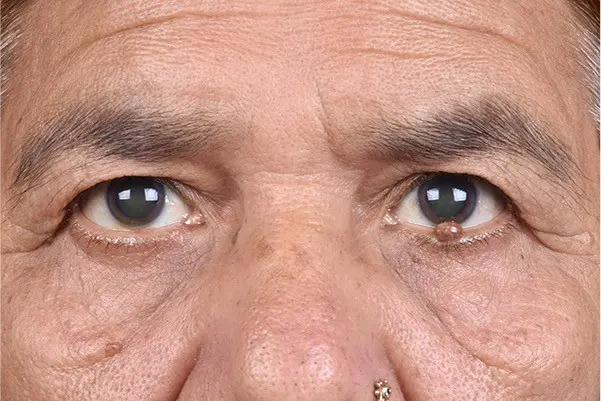
Signs to watch for:
-
- Hooded upper eyelids
-
- Difficulty applying makeup due to excess skin folds
-
- Feeling of heaviness around the eyes
- Poor vision caused by overhanging skin
A procedure known as blepharoplasty can remove excess tissue and improve both function and aesthetics. The same eyelid surgery can also address puffy lower lids, making it a common choice for under-eye bag removal and tired-looking eyes.
3. Persistent Watery Eyes
Excessive tearing may seem harmless, but chronic watery eyes could indicate a blockage in the tear drainage system.
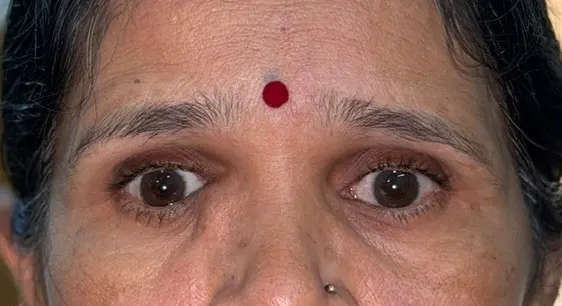
Symptoms include:
-
- Tears constantly running down the cheeks
-
- Recurrent eye infections
-
- Swelling near the inner corner of the eye
- Irritation caused by excessive moisture
Oculoplastic surgeons can evaluate the underlying cause and recommend treatments ranging from minimally invasive procedures to tear duct surgery. Tear duct surgery can be performed through the nose called endoscopic DCR surgery which allows for safe surgery without any scar or stitches over the face. For most patients, this watering eyes treatment offers lasting relief from constantly watery, irritated eyes and recurrent infections.
4. Eyelids Turning Inward or Outward
Abnormal eyelid positioning can lead to discomfort and potential damage to the surface of the eye. This is usually related to old age and laxity of muscles around our eyes.
Types include:
Entropion:
The eyelid turns inward, causing the eyelashes to rub against the cornea.
Ectropion:
The eyelid turns outward, exposing the inner eyelid surface.
Warning signs to watch out for:
-
- Eye redness and irritation
-
- Excessive tearing
-
- Foreign body sensation
-
- Sensitivity to light
- Recurrent infections
A short procedure known as entropion or ectropion surgery is often recommended to reposition the eyelid, protect the surface of the eye, and restore lasting comfort.
5. Noticeable Eye Bulging or Orbital Changes
Changes in the position or appearance of the eyes should never be ignored. If one eye appears larger than the other it is an urgent sign to get a check up and possibly even imaging done by an oculoplasty surgeon.
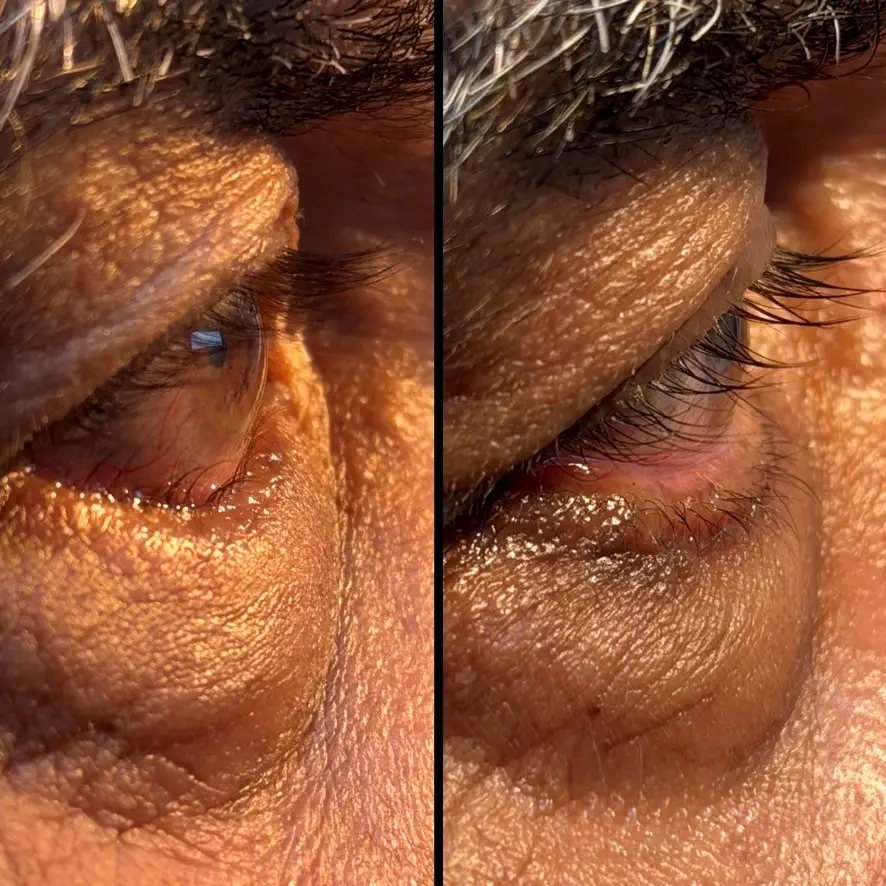
Possible symptoms:
-
- Bulging eyes
-
- One eye appearing more prominent than the other
-
- Swelling around the eyes
-
- Double vision
- Difficulty moving the eyes
These symptoms may be associated with orbital disorders such as thyroid eye disease, inflammation, or tumors. Oculoplastic specialists are trained to diagnose and manage these complex conditions. Thyroid eye disease treatment and bulging eyes treatment may involve medication, and in more advanced cases, orbital decompression surgery to relieve pressure and improve the appearance of the eyes.
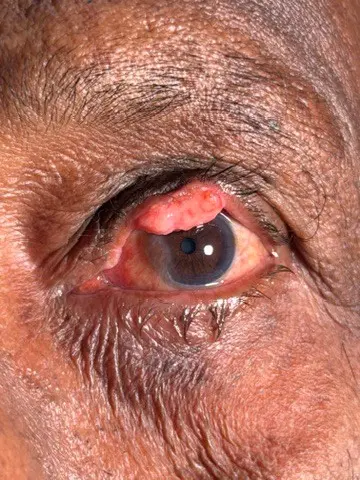
6. Eyelid Lumps or Growths
Not every eyelid bump is a simple stye. Persistent or unusual growths may require professional evaluation.
Seek medical advice if you notice:
-
- A lump that does not resolve within a few weeks
-
- Recurrent lesions in the same location
-
- Changes in size, shape, or color
- Bleeding or ulceration of the lesion
Early diagnosis is essential, especially if there is concern about skin cancer affecting the eyelid. Oculoplastic surgeons can safely remove suspicious lesions while preserving eyelid function and appearance. Common procedures include chalazion treatment and eyelid cyst removal, along with careful biopsy and reconstruction when there is any concern about eyelid cancer.
7. Facial Trauma Around the Eyes
Injuries involving the eyelids or bones surrounding the eyes require specialized oculoplastic care. Trauma of the eyes is complex since it involves the eyeball, muscles and tissue around the eyes, eyelids and even the bones of the eye socket.
Signs that warrant immediate attention:
-
- Cuts or lacerations involving the eyelids
-
- Sunken appearance of the eye after trauma
-
- Double vision following an injury
-
- Difficulty moving the eye
- Persistent swelling and pain
Prompt evaluation and treatment can help prevent long-term complications and optimize both functional and cosmetic outcomes. Treatment may involve delicate eyelid laceration repair or orbital fracture repair to restore both the structure and natural appearance of the eye area.
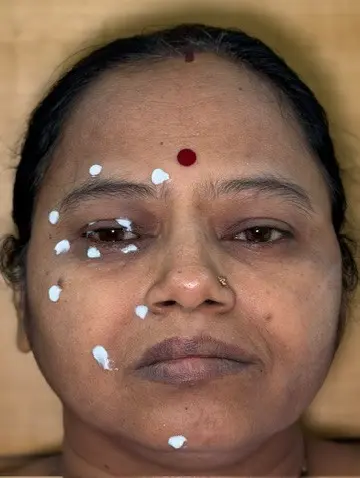
8. Eyelid and Facial Spasms (Twitching)
Not every eye twitch is harmless. When the small muscles around the eye begin to contract on their own, they can cause persistent eyelid twitching or forceful, involuntary closing of the eyes. In some people the spasms spread to one side of the face. An occasional flicker is normal, but frequent, worsening, or vision-disrupting spasms deserve evaluation by an oculoplastic surgeon.
Signs and symptoms to watch for:
-
- Frequent or uncontrollable eyelid twitching
-
- Forceful, involuntary closing of the eyes (blepharospasm)
-
- Twitching or pulling that spreads to one side of the face (hemifacial spasm)
-
- Spasms that interfere with reading, driving, or everyday activities
- Eye irritation, light sensitivity, or difficulty keeping the eyes open
Most cases respond very well to Botox (botulinum toxin) injections, a quick, non-surgical eyelid twitching treatment that gently relaxes the overactive muscles and is repeated periodically. An oculoplastic surgeon can pinpoint the cause and tailor treatment to settle the spasms and restore comfort.
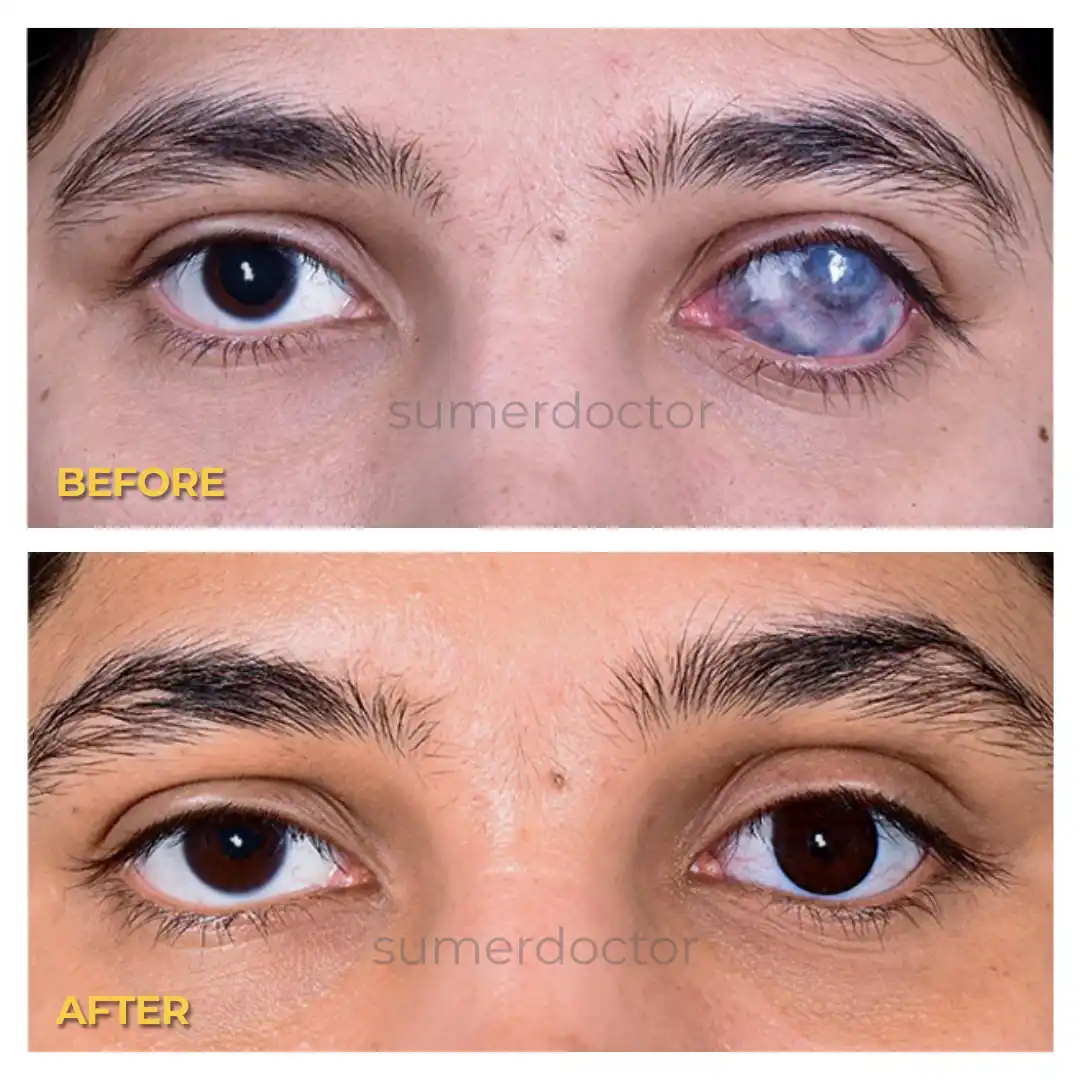
9. A Painful or Blind Eye and Artificial Eye (Prosthesis) Placement
A blind, non-seeing eye can sometimes become painful, red, or disfigured, whether from an old injury, infection, advanced glaucoma, or previous surgery. When the eye is no longer comfortable or no longer matches the other eye, removing it and fitting a natural-looking artificial eye can dramatically improve both comfort and confidence.
Signs you may benefit from an evaluation:
-
- A blind eye that has become painful, persistently red, or uncomfortable
-
- An eye that has shrunk, turned white, or looks visibly different
-
- A previously injured or operated eye causing ongoing discomfort
-
- Feeling self-conscious about the appearance of a non-seeing eye
- An older artificial eye that no longer fits well or looks natural
Oculoplastic surgeons perform eye-removal surgery (enucleation or evisceration) with great care, then fit a custom-made artificial eye, or ocular prosthesis, that closely matches your other eye in colour and movement. Modern techniques deliver a remarkably natural, lifelike result that helps restore both appearance and confidence.
When Should You Consult an Oculoplastic Surgeon?
Many people delay seeking help because they assume their symptoms are simply part of aging. However, if you experience persistent discomfort, vision changes, excessive tearing, or noticeable changes around the eyes, it is important to schedule a consultation.
An experienced oculoplastic surgeon can perform a comprehensive assessment, identify the underlying cause, and recommend the most appropriate treatment plan tailored to your needs.
Benefits of Oculoplastic Surgery
Depending on the condition being treated, oculoplastic procedures may help:
- Improve vision obstructed by drooping eyelids
- Restore normal eyelid position and function
- Reduce irritation and discomfort
- Enhance facial symmetry
- Treat tear drainage disorders
- Address orbital diseases and trauma
- Improve confidence and overall quality of life
The eyes are among the most delicate and expressive features of the face. Ignoring symptoms such as drooping eyelids, chronic tearing, eyelid malpositions, or unexplained orbital changes can lead to worsening discomfort and even vision-related complications.
Recognizing these warning signs early and seeking expert evaluation can help ensure timely treatment and better outcomes. If you are experiencing any of these concerns, consulting an oculoplastic specialist can be the first step toward protecting your eye health and restoring comfort and confidence.
About Dr. Sumer Doctor – Top Oculoplastic Surgeon in Mumbai
Dr. Sumer Doctor is a highly experienced Oculoplastic Surgeon in Mumbai, specializing in the diagnosis and management of disorders involving the eyelids, tear drainage system, orbit, and surrounding facial structures. With expertise in both functional and aesthetic oculoplastic procedures, Dr. Sumer Doctor is committed to providing individualized care using advanced surgical techniques. Whether you are dealing with droopy eyelids, watery eyes, eyelid lesions, orbital conditions, or age-related changes around the eyes, his focus stays on natural, refined results that protect both your sight and your confidence.