
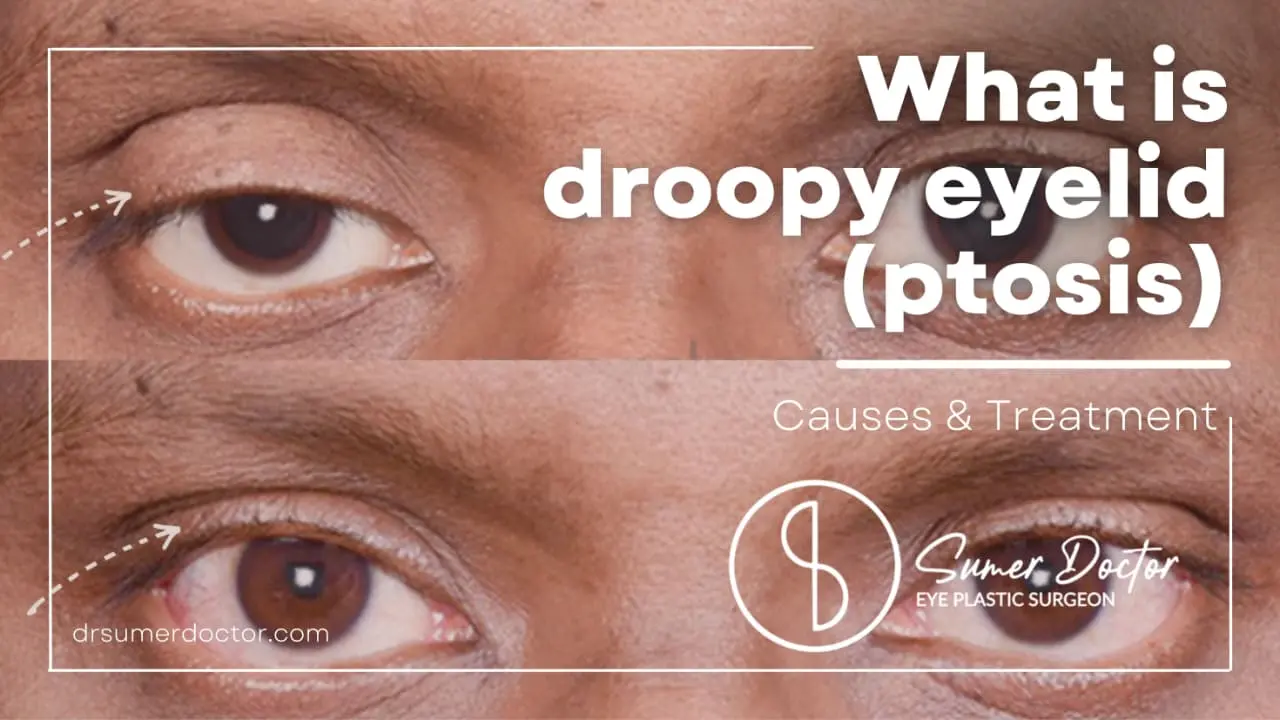
Have you ever looked in the mirror and noticed one eyelid sitting lower than the other or eyes that look droopy even after a full night’s sleep? Many people assume it’s simply tiredness, ageing, or a cosmetic issue they have to live with. But a drooping upper eyelid, known medically as ptosis, can sometimes affect your vision as well as your appearance.
This guide explains what causes a droopy eyelid, the symptoms worth watching for, and when it’s genuinely worth having it checked. If you’ve already decided you want it corrected, you can read about the procedure itself on our ptosis surgery in Mumbai page.
What Is Ptosis (a Droopy Eyelid)?
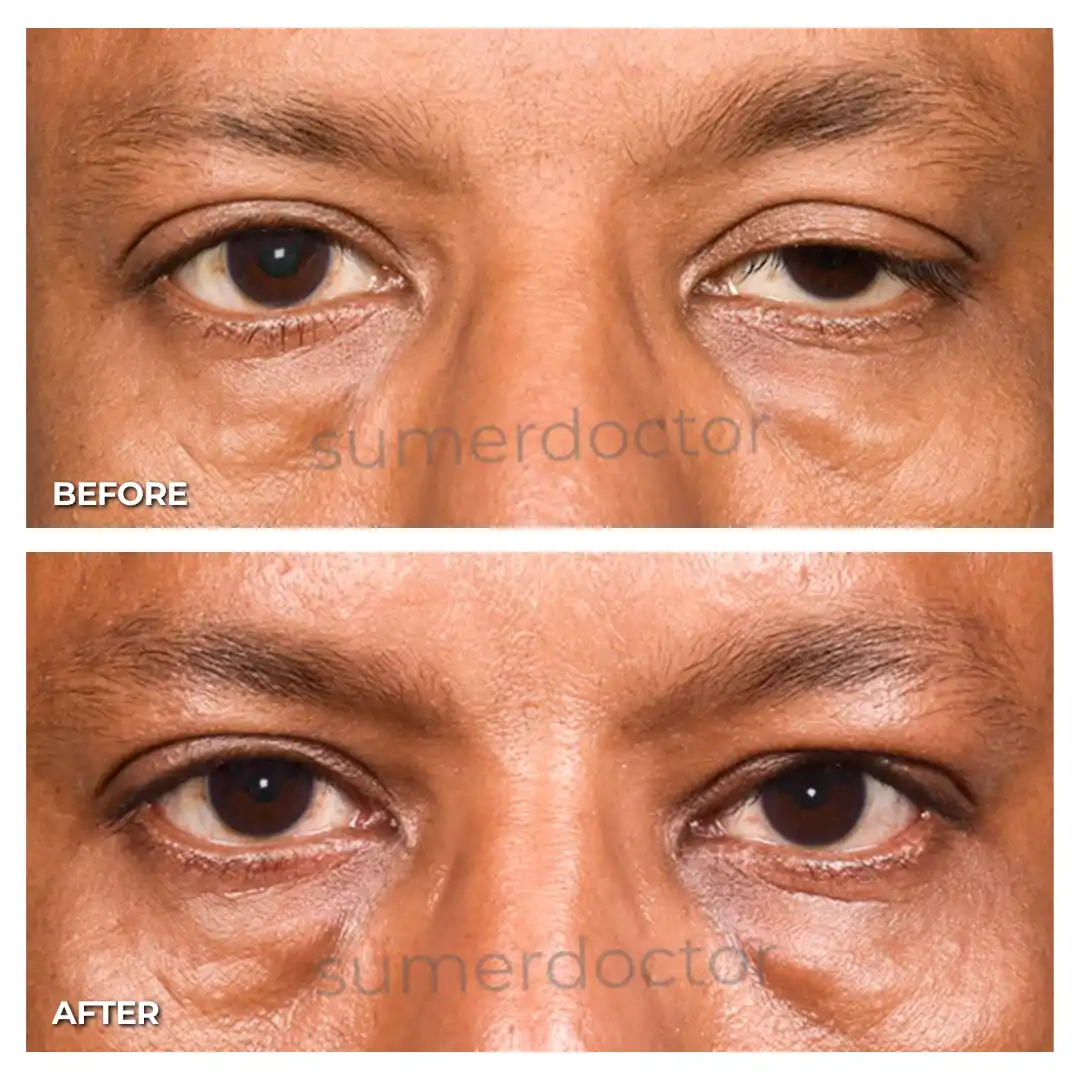
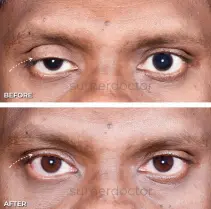
Ptosis is the drooping of the upper eyelid caused by weakness or poor function of the muscle that normally lifts it. It can affect one eye or both, and it can be present from birth (congenital ptosis) or develop later in life (acquired ptosis).
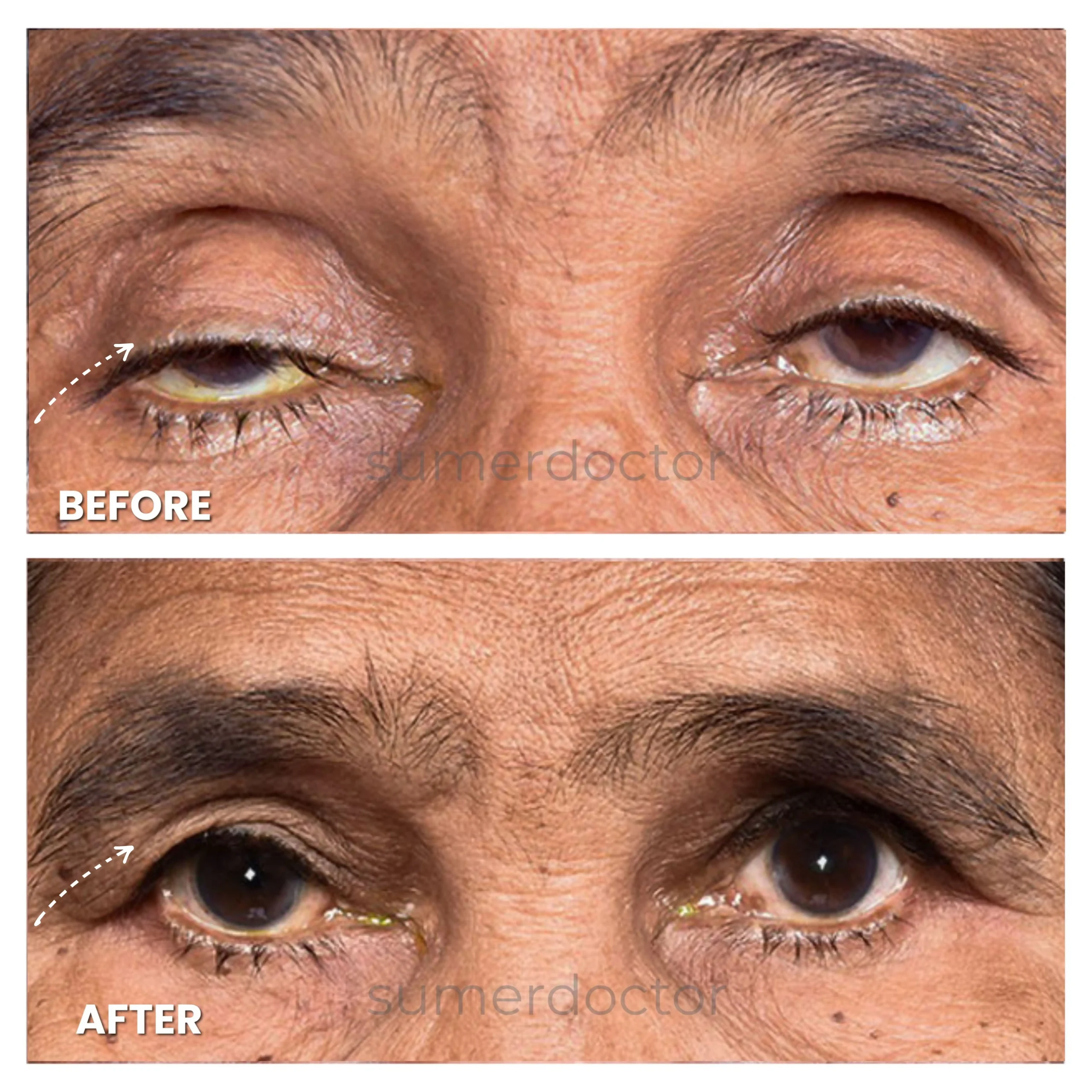
The severity varies widely. Some people notice only a slight droop; others have an eyelid that partly or completely covers the eyeball, making everyday tasks like reading, driving, or working at a screen difficult. Because our eyes carry so much of how we communicate and express ourselves, a droopy eyelid can also make a person look older, sleepier, or less energetic than they actually feel.
What Causes a Droopy Eyelid?
A few different factors can cause the eyelid muscle to weaken or stretch.
Ageing. The most common cause. Over time, the muscle that lifts the eyelid can weaken or thin, and the eyelid gradually descends.
Congenital ptosis. Some children are born with an underdeveloped eyelid muscle. Early diagnosis matters here, because a significant droop can interfere with normal vision development in a growing child.
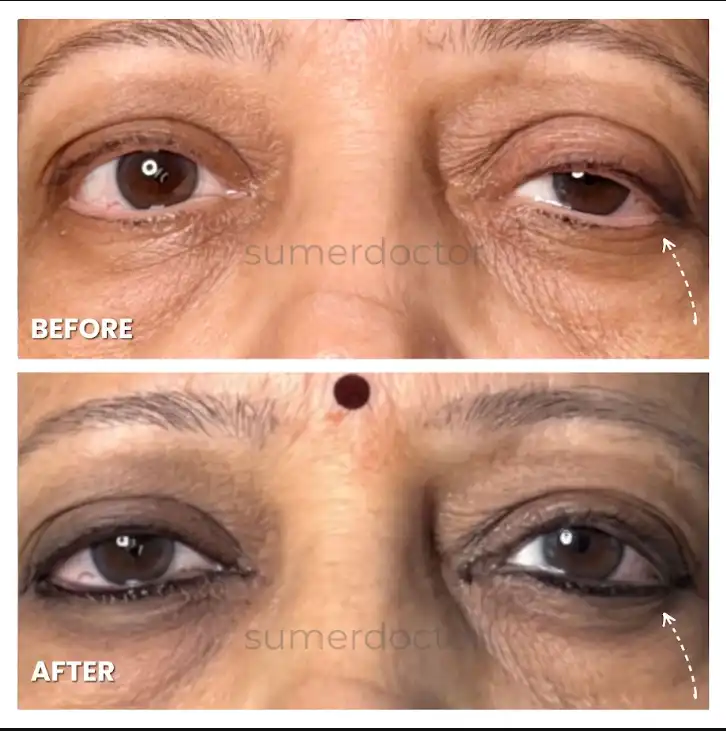
Nerve or muscle disorders. Certain neurological and muscular conditions can affect the muscles that control eyelid movement. In these cases a detailed medical evaluation is essential before any treatment is planned.
Injury or previous eye surgery. Trauma, or occasionally a prior eye procedure, can weaken the lifting muscle and lead to ptosis.
Long-term contact lens use. Extended use of rigid contact lenses has been linked to stretching of the eyelid tissues in some people.
Common Symptoms of Ptosis
Beyond the visible droop, a person with ptosis may notice:
- Reduced or blocked upper field of vision
- Difficulty keeping the eyes open
- Eye strain and fatigue, especially by the end of the day
- Constantly raising the eyebrows to compensate
- Tilting the head backwards to see better
- An uneven or asymmetric look to the eyes
When Is a Droopy Eyelid a Medical Concern?
A droopy eyelid is worth getting evaluated when it:
- Interferes with your vision
- Causes ongoing eye strain or headaches from constant eyebrow-raising
- Creates a noticeable difference between the two eyes
- Has been present since birth and may be affecting a child’s visual development
- Appears suddenly – a sudden-onset droop should always be checked promptly, as it can occasionally point to an underlying medical cause
A comprehensive eye examination by a specialist helps establish howsevere the ptosis is, what’s causing it, and how it can be treated. The assessment typically looks at eyelid position, the strength of the lifting muscle, your vision, eye movements, and overall eye health, alongside your medical history. Identifying the exact cause is what allows treatment to be tailored to you.
Ptosis vs Blepharoplasty: What’s the Difference?
These two are often confused. Ptosis is a problem with the muscle that lifts the eyelid, so correcting it involves tightening or repositioning that muscle. Blepharoplasty removes excess skin (and sometimes fat) from the eyelid, usually for a heavy or hooded look.
They address different things and sometimes both are present together. This is exactly why an assessment by an oculoplastic surgeon in Mumbai matters: getting the diagnosis right determines whether you need muscle correction, skin removal, or a combination.
Can Ptosis Be Treated?
Yes. Where a droopy eyelid affects vision or appearance, it can be corrected surgically by tightening, repairing, or repositioning the muscle that lifts the eyelid. The aim is to improve vision, restore symmetry between the eyes, and keep the result looking natural.
The choice of technique depends on the severity and on how well the muscle is still working, which is why a careful individual assessment comes first. You can read about the procedure, anaesthesia, and recovery in detail on our ptosis surgery page.
Ptosis in Children (Congenital Ptosis)
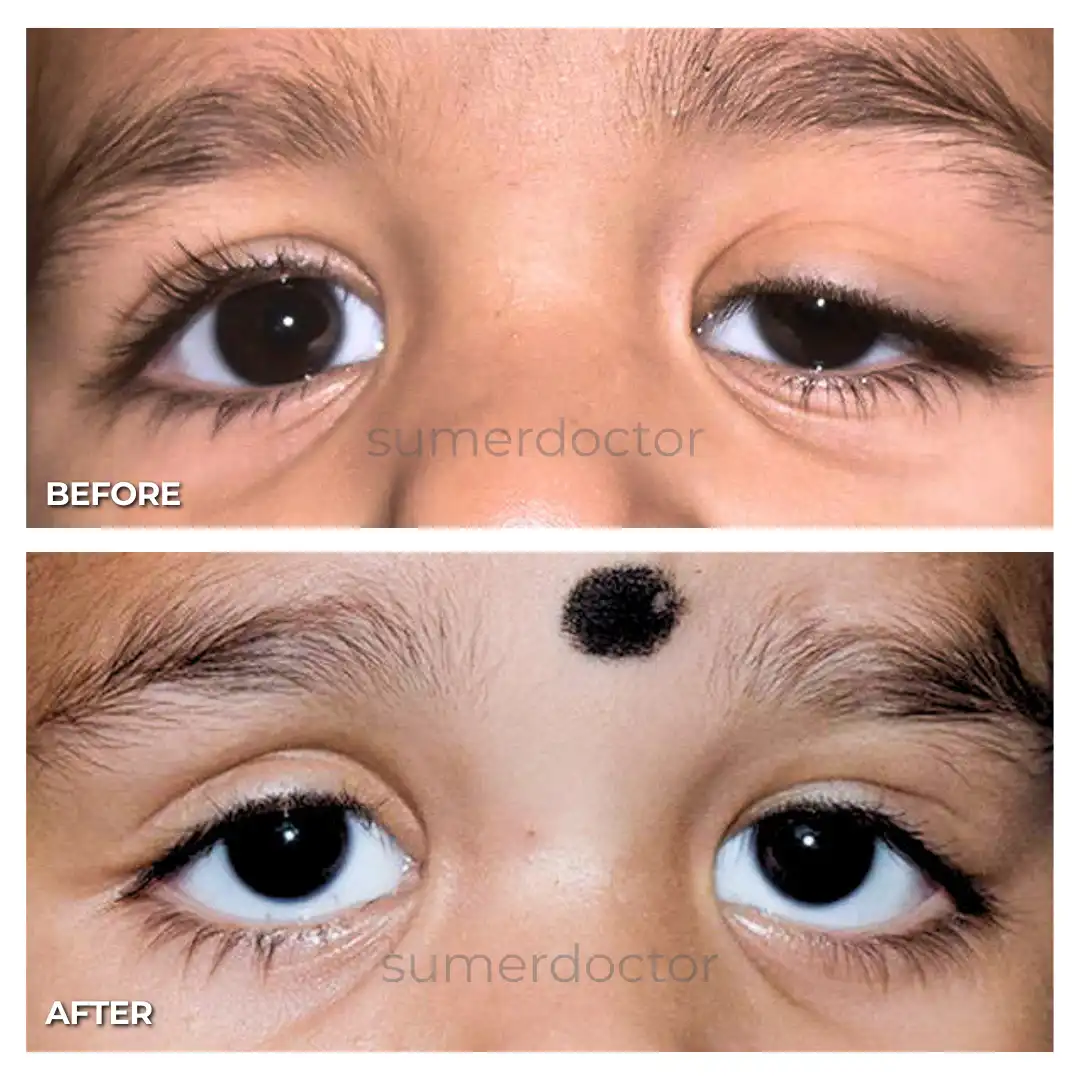
When a child is born with a droopy eyelid, the priority is protecting their developing vision. A significant droop can block the eye and contribute to lazy eye (amblyopia). Timing of any treatment is decided case by case, based on how much the eyelid is covering the pupil and how the child’s vision is developing.
Why Choose an Experienced, Oculoplasty-Trained Surgeon for Ptosis
Ptosis correction sits at the meeting point of two things: function of eye and cosmetics of the face. A few millimetres in either direction changes both your field of vision and the symmetry of your eyes – so the margin for getting it right is small.
An oculoplastic surgeon is an ophthalmologist with additional fellowship training specifically in plastic surgery of the eyelids. That background matters for ptosis because:
- The eye is protected throughout. The lifting muscle sits directly over the eyeball; an oculoplasty trained surgeon operates around the eye every day and plans the correction with its safety and function first.
- The right technique is chosen for your How much the muscle is still working determines which approach gives a natural, lasting result. This is a judgement built on experience, not a one-size-fits-all procedure.
- Function and appearance are balanced together. The goal isn’t just to lift the lid, but to restore symmetry and a natural expression. The difference between a corrected eyelid and one that simply looks “operated on.”
For any eyelid concern, it’s worth having it assessed by a surgeon whose training is centred on exactly this area.

About Dr Sumer Doctor
Dr Sumer Doctor is a Consultant in Oculoplasty and Oculofacial Surgery in Mumbai, practising at Doctor Eye Institute, Andheri West, and JJ Hospital. His work covers the full scope of the specialty – eyelid, orbit, tear duct, and ocular oncology surgery.
He completed his Fellowship in Ophthalmic Plastic Surgery and Ocular Oncology at LV Prasad Eye Institute (LVPEI), Hyderabad; one of India’s leading eye institutes; where he also served as Chief Clinical Fellow. His credentials include a Gold Medal in Ophthalmology Residency, PubMed-indexed publications, and a role as India’s representative on the executive council of Young APSOPRS.
Contact – Book Your Ptosis Assessment
Living with a droopy eyelid doesn’t mean accepting limited vision or feeling self-conscious about how you look. Whether it has developed gradually over the years or has been there since childhood, effective options are available; and it starts with understanding the cause.
To have your eyelids assessed, get in touch:
- WhatsApp / Call: +919391521982
- DoctorEyeInstitute: Andheri West, Mumbai
- Book online: ptosis surgery in Mumbai
- Website: https://drsumerdoctor.com/